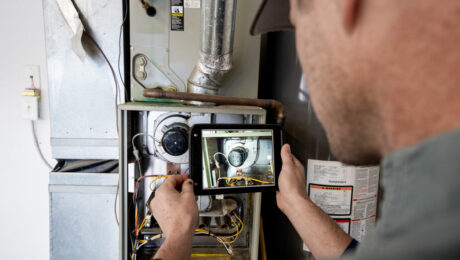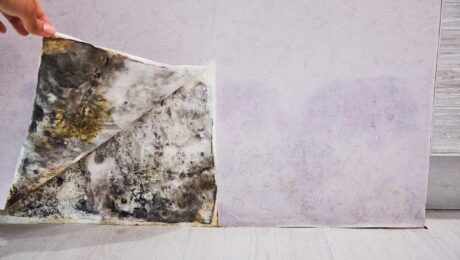
Whether you manage a commercial office building, a school, a multifamily property, or a single-family home, the environmental conditions inside your building do not happen by accident. Indoor environmental quality (IEQ) is shaped every day by how well the building itself is maintained. Gaps in the envelope, neglected HVAC systems, slow moisture infiltration, and deferred
Vaulted ceilings bring an elegant sense of openness to homes. However, they can present unique risks. Moisture intrusion often plays a hidden role. Without proper ventilation, air can stagnate high above living spaces. Consequently, humidity accumulates and condensation forms. Over time, water stains appear. In worse cases, mold grows. This post will explore why this
A Guide to Mold Prevention and Awareness Mold is a common but serious problem in many homes and buildings. It doesn’t just affect your indoor air quality—it can also damage your home and impact your health. Two of the most common questions we get at Healthy Building Science are: how fast does mold grow? and what causes it
Silica Testing Requirements
When it comes to protecting workers from the harmful effects of respirable crystalline silica, both Federal OSHA and Cal/OSHA have established regulations but they are not identical. California’s Division of Occupational Safety and Health (Cal/OSHA) often takes a more stringent approach to workplace safety. If you’re a contractor, EHS manager, or property owner in California,
TOP